
Tracking Carnivore Sightings
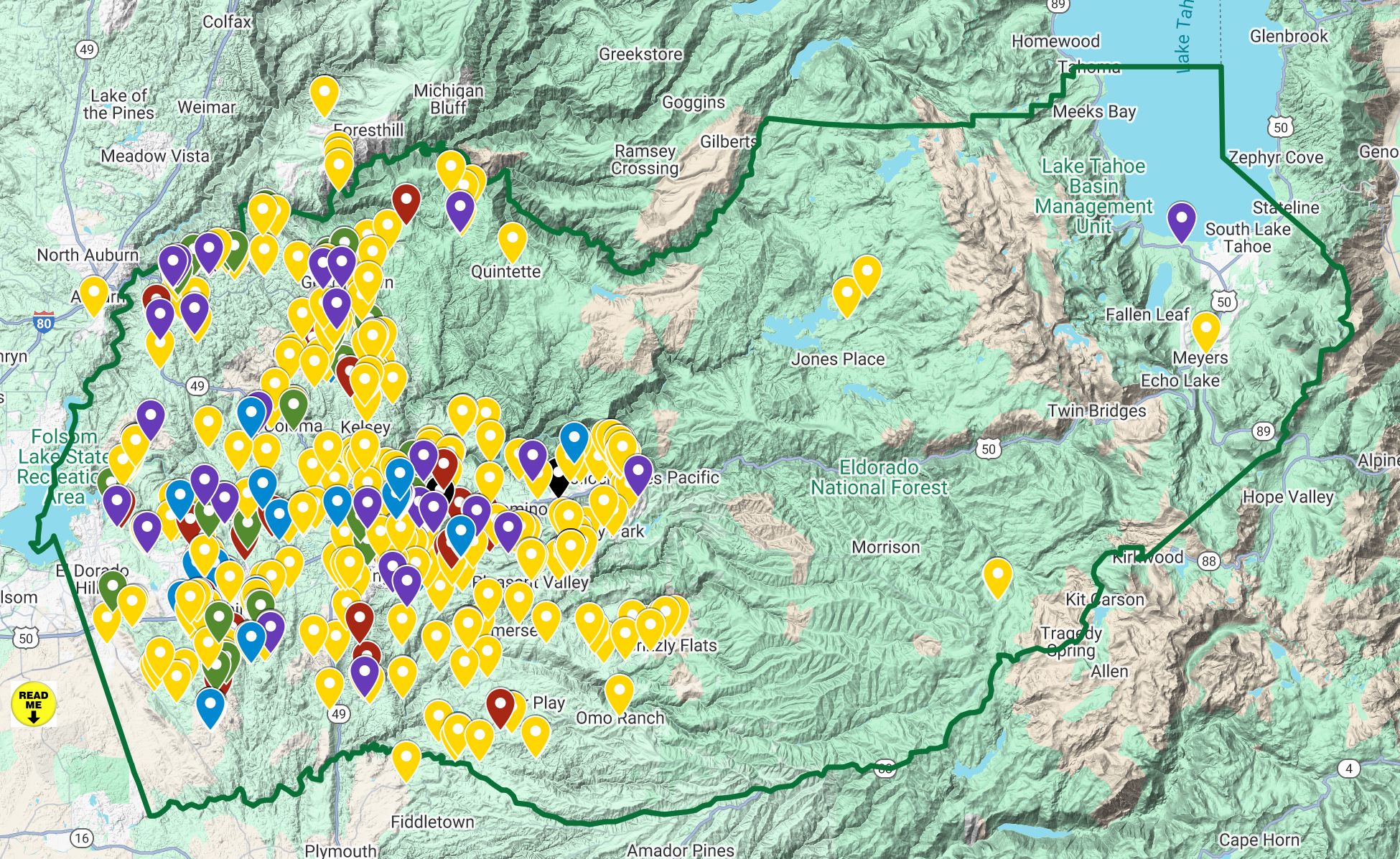
We aim to track mountain lion and bear sightings wherever they occur through social media and community outreach. Check out our Google Sightings Map created and maintained by Marie Summers, Carnivore Project’s Map Director.

Did you submit a sighting or other encounter in 2025? Then you represented one of the 531 points we reviewed in our 2025 annual report! Check out the results for mountain lion sightings in 2025.
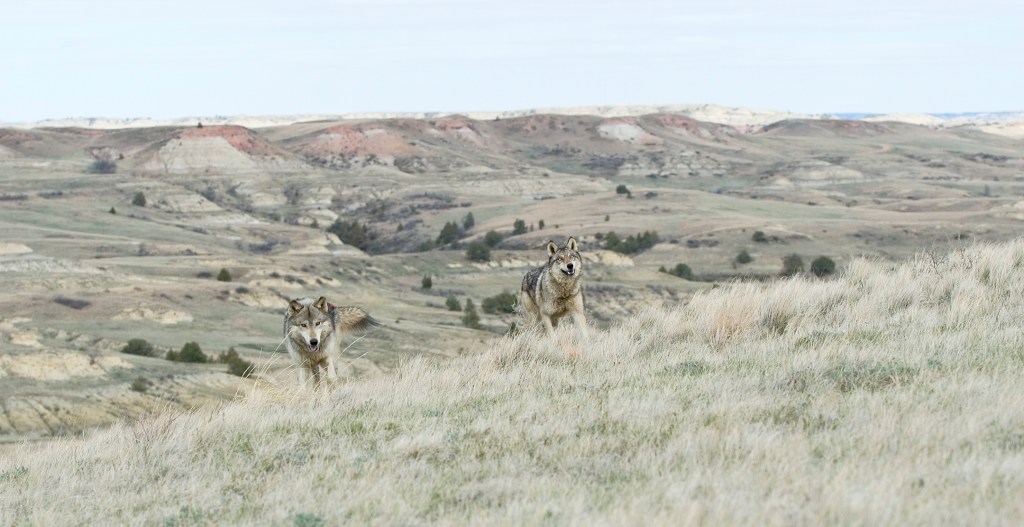
California Gray Wolves
We now track wolf movements and sightings across the region. Working alongside local residents and contributors, we’ve developed a new mapping tool designed to be a one-stop source for wolf activity and reports. We’re proud to unveil our Wolf Sightings Map — explore it to see the latest movement, sightings, and activity updates.
In March 2024, a tragic mountain lion fatality—the worst in 30 years—occurred in El Dorado County, giving rise to the El Dorado County Mountain Lion Project. Focused initially on tracking and understanding resident-mountain lion encounters in El Dorado County, the effort quickly grew to include black bears (Ursus americanus) and became the El Dorado County Carnivore Project.
By 2026, as sightings and community needs expanded across the Sierra Nevada Foothills, we rebranded to Carnivore Project to reflect our broader mission: advancing human-carnivore coexistence through independent, community-driven research and outreach. We are beginning to track wolves as they move south towards the foothills.
Our goal is to provide transparent data, actionable insights, and strategies for conflict prevention. Carnivore Project is a grassroots, volunteer-run initiative operating as a California public benefit corporation. We are currently seeking 501(c)(3) status in 2026 and operate independently, without funding or ties to official agencies, to support residents and inform evidence-based policy.

Local volunteers
Our nonprofit is powered entirely by locals who volunteer their time because we care deeply about safe coexistence with mountain lions, bears and wolves while protecting livestock. We’re out in the field, meeting with neighbors, analyzing sightings, and pushing for better policies – all unpaid and straight from the heart.
Every dollar you give goes directly to trail cameras, equipment, community programs, and keeping our public data accurate and up-to-date.
Transparency
We created the Carnivore Project to help answer the questions of residents. What protections work? Where are these animals attracted to?
Like many residents, we were also fed up with what felt like secrecy regarding what was going on with our own wildlife. Because of this, we wanted to do better, to be more transparent on what we do and how we do it.
What to Do If You Encounter a Mountain Lion
Brief sighting (animal leaves quickly)?
Report it right away to help our tracking efforts through any of these methods:
- Use our sightings form
- Post on our Facebook group: Carnivore Project Map & Discussion
- Call our hotline: 530-444-9697
This works best for animals crossing a road or property and then departing.
Mountain lion won’t leave (at your home, work, or school)?
County officials recommend contacting your local County Sheriff’s Department.
Immediate threat to your health and safety?
County officials recommend calling 911 right away.
Livestock or pet loss from a suspected predator?
Officials recommend reporting it to the California Department of Fish and Wildlife Conflict Office. In El Dorado County, also contact the Agriculture Department.
Key Contacts
- CDFW Conflict Office: 916-358-2917
- El Dorado County Sheriff’s Department: 530-621-5655
- El Dorado County Agriculture Department: 530-621-5520
About
Following the 2024 Brooks brothers tragedy, the Carnivore Project unites four dedicated locals—a wildlife biologist, a teacher, a rancher, and a Brooks family member—to advance human-carnivore coexistence

“
Residents live here because of their love of wildlife, not despite it.”
Haley Molzahn
Executive Director
Lead Researcher